Tolerance…
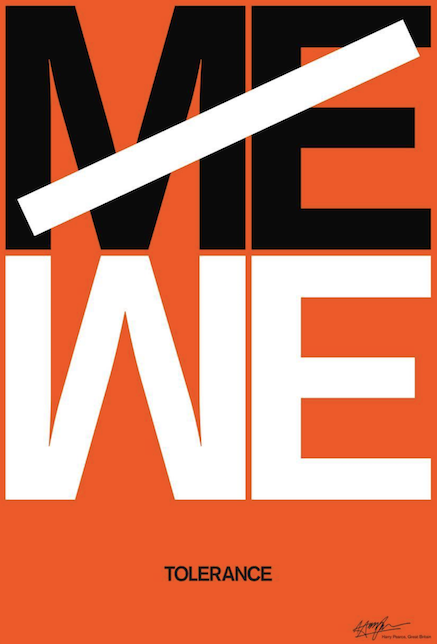
Poster by Harry Pearce, Pentagram UK… more here.
Poster by Harry Pearce, Pentagram UK… more here.
Winnipeg, Manitoba
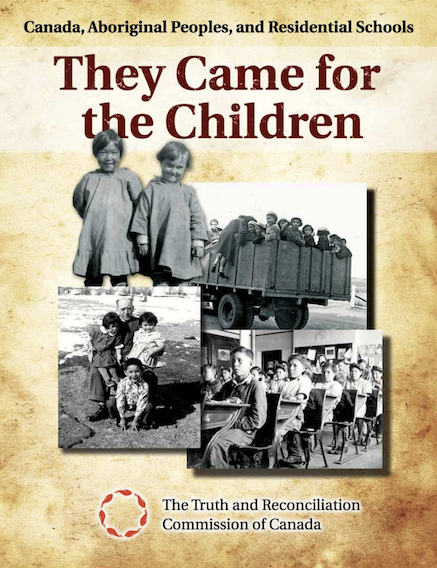
Canada, which just finished celebrating its 150th year as a “nation,” has a big problem. Since Europeans first arrived, the founding fathers “…used racism, bigotry and discrimination as a tool to not only assimilate First Nations into the Canadian polity, but to engage in a deliberate policy of genocide both cultural and physical…” Surprisingly, there are still many Canadians who are not aware of the country’s dark history, which makes it difficult for them to help bring about the positive change that is so needed.
A decade ago, the Truth and Reconciliation Commission of Canada (TRC) was organized by the parties of the Indian Residential Schools Settlement Agreement. Established in June 2008 with the purpose of documenting the history and impacts of the Indian residential school, it provided former residential school attendees an opportunity to share their experiences during public and private meetings held across the country.
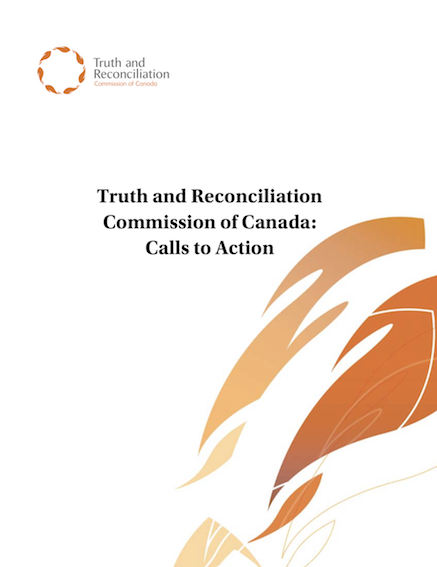
In June 2015, the TRC released an Executive Summary of its findings along with 94 “calls to action” regarding reconciliation between Canadians and Indigenous peoples. The Commission officially concluded in December 2015 with the publication of a multi-volume report that concluded the school system amounted to cultural genocide. The TRC’s “calls to action” provide a clear path forward…
Links to two significant documents are provided here (in PDF form). Click on the images above for access and to download the documents. Please feel free to share this post…
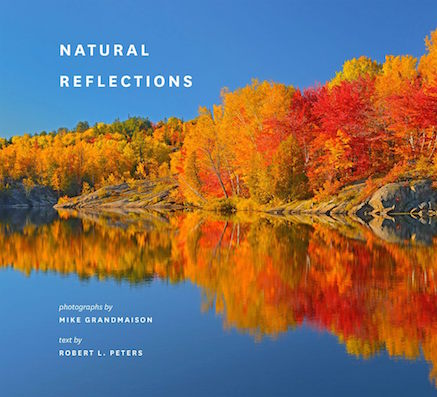
Winnipeg, Canada
The launch of our book, Natural Reflections, took place this evening at McNally Robinson’s Booksellers in Winnipeg. I read select texts from the book’s five chapters, Mike displayed a dozen enlarged photographic prints (and provided back-story re: their creation), and we both answered questions from the standing-room-only audience who had gathered for the occasion. Fun!
Earlier in the day, I did a radio interview with Marjorie Dowhos, host of CBC Manitoba’s ‘Radio Noon,’ and Mike did an interview in French earlier CBC’s ‘Radio Canada’
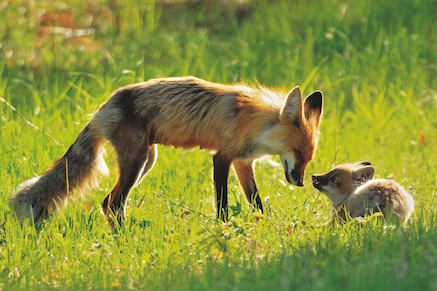
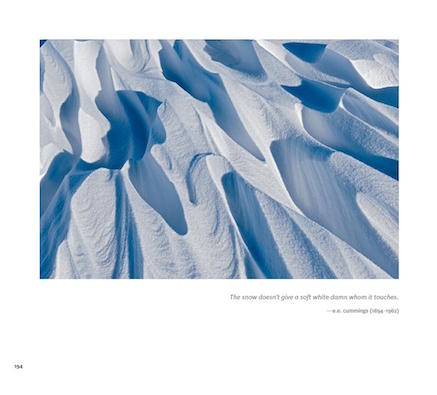
An inspiring and highly original book of photography takes the reader on an unforgettable walk through the vast and wide beauty of “Natural Canada.” Natural Reflections captures natural beauty from the exceptional viewpoint and unique perspective of Mike Grandmaison’s lens.
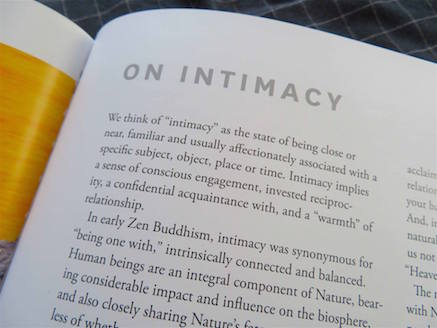
A singular gallery of images is curated, amplified and informed by the observations of Robert L. Peters. Filled with insightful musings, truisms and parallel quotations from some of the world’s greatest thinkers, this book is bound to inspire and truly engage both halves of the brain. Divided into five contemplative chapters – On Inspiration, On Seeing, On Intimacy, On Order, On Change – this lavishly produced volume comprises a rich and seamless interweaving of image and word.
This is a book not to be missed by anyone interested in the natural world (and its preservation), the art of outdoor photography, the creative process or this vast land called Canada. The photographer and author, long-time friends and avid nature-lovers, share the humble view that, like a Mother, the Earth both bore us and sustains us, asking little in return but love and respect. This book is their reciprocal tribute and holistic offering.
The book is available at McNally’s and other book-sellers worldwide ( ISBN-10: 1771602546 / ISBN-13: 978-1771602549 ) as well as from online vendors such as Amazon and Chapters, etc…


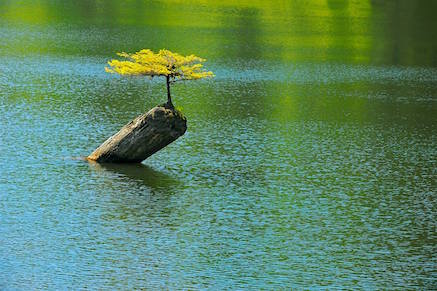
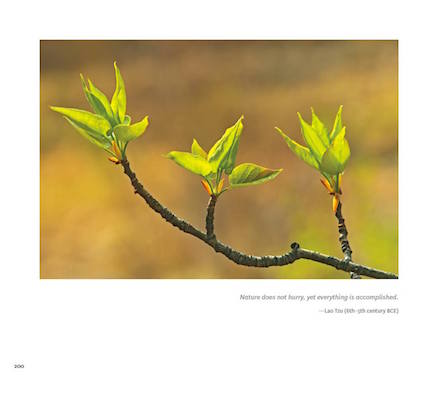
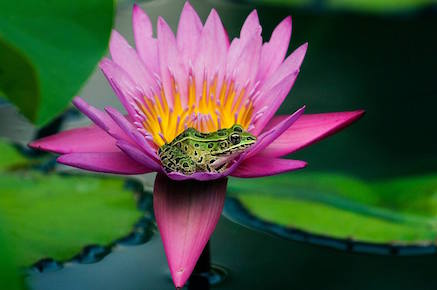
— Emerson
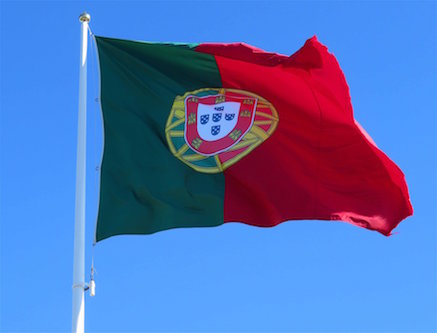
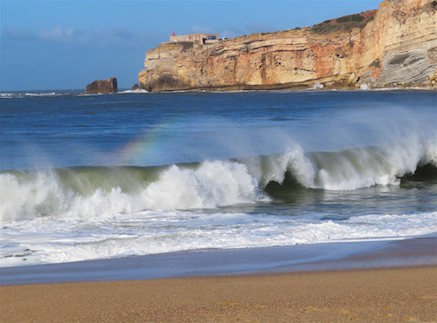
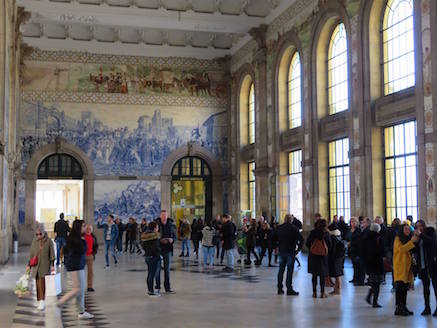
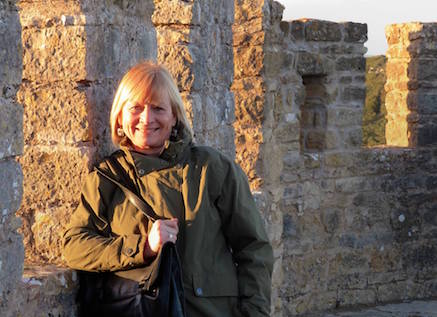
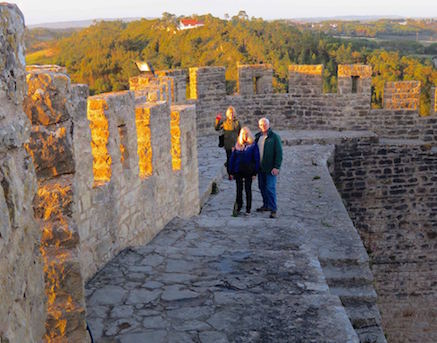
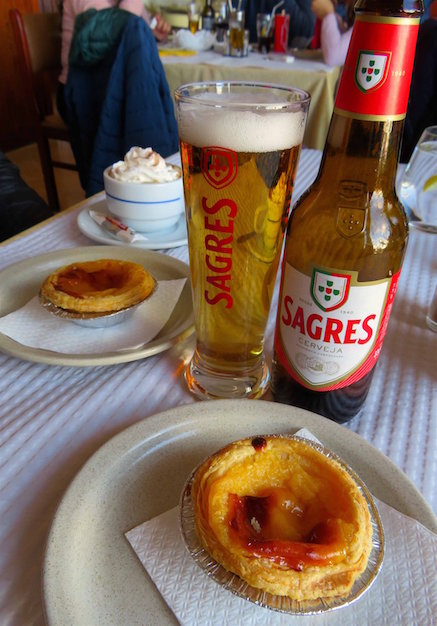
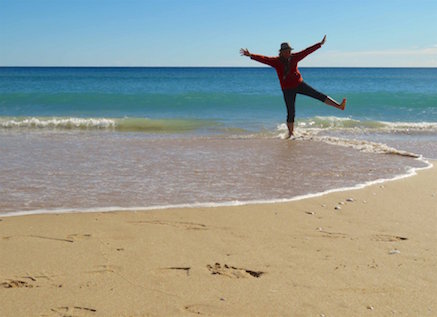
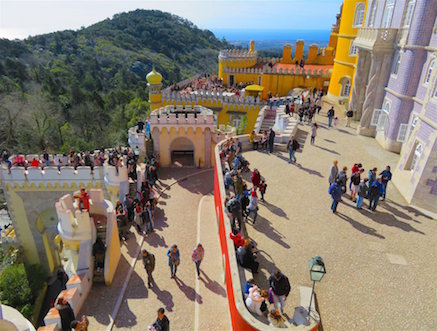
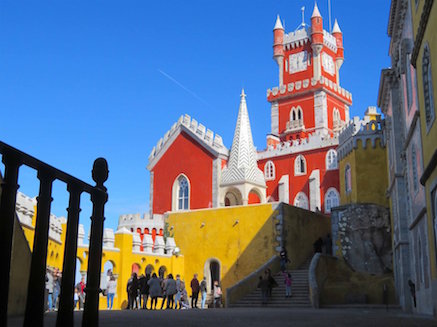
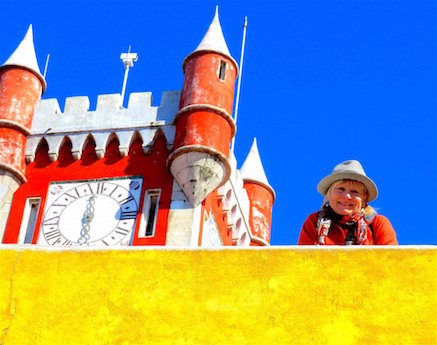
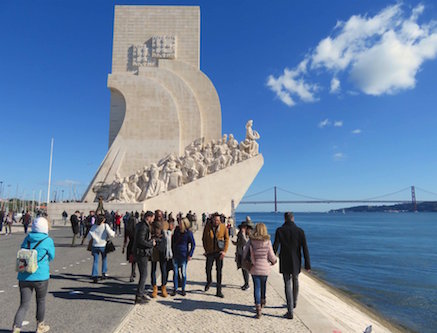
Evelin and I have just returned from a wonderful (laid-back, serendipitous) and highly enjoyable three weeks in Portugal, touring around with abandon (with my brother Jim and his wife Bonny). This was my third visit to this great little country, and we were blessed to meet up with a number of designer colleagues and educators as we toured.
A fuel-efficient, diesel-engined Opel Astra carried the four of us and our modest baggage comfortably, allowing travel to wherever we wanted whenever we wanted. Airbnb accommodations worked out great, and were very affordable — we only booked “5-star” rated places, often just the night before… Baleal (3 nights), Arcozelo (2 nights, close to Porto and Braga), Tomar (2 nights), Melides (2 nights), Aljezur (2 nights), Vila do Bispo (1 night), Porches (4 nights, with an Algarve beach practically to ourselves), Lisbon (1 night), and Cascais (3 nights, close to Lisbon and Sintra).
Due to my food alergies I did the cooking daily, and Jim took on the facility-booking and driving responsibility (he’s an excellent driver). We truly enjoyed each others’ company, the fine people and hospitality we encountered, the spectacular scenery, the seafood, and of course the wine…
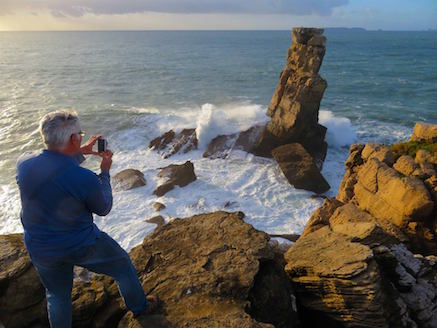
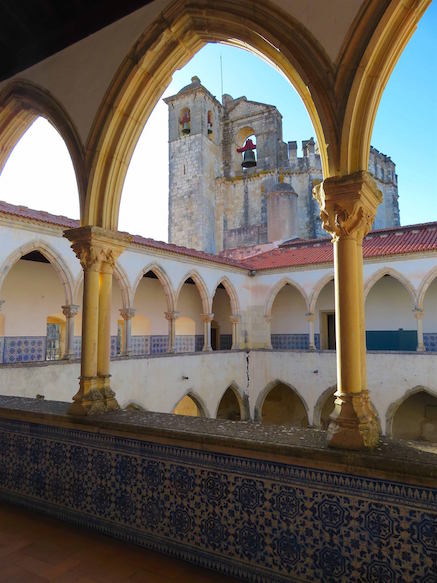
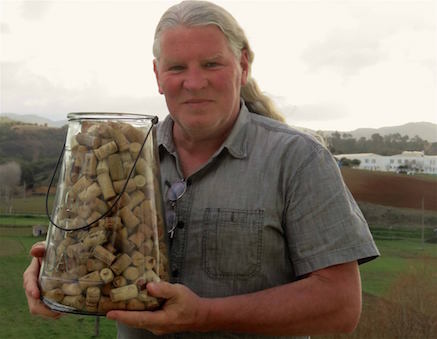
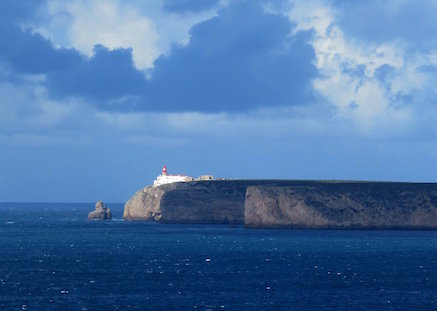
Below is a small sampling of the many photos I took. More can be viewed in a Facebook gallery, here.
Winnipeg Beach, Manitoba
I’ve enjoyed living with my partner Evelin in this quiet little town for the past few years, here on the Western shore of Lake Winnipeg (the world’s 10th-largest freshwater lake by area, slightly smaller than Belgium). Water levels can fluctuate significantly in the lake’s relatively shallow southern basin, and strong or sustained winds can whip up powerful waves…
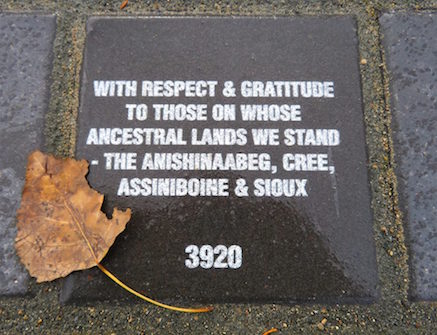
In 2016, Winnipeg Beach undertook extensive re-building of the longstanding “boardwalk” along the beach, following storm-damage and shoreline flooding the previous year. The broken and eroded wooden boardwalk was replaced by a concrete breakwater-walkway, and thousands of “engraved bricks” were installed (including 3900 that were “grandfathered” from the walk’s original wooden planks) — most commemorated the names and/or passages of loved ones who once were part of (or who regularly visited) this quiet resort/community. As part of its efforts to raise funds for the beachfront reconstruction, the town “sold” inscribed bricks (replete with a Certificate of Title), of which I “bought” four. It was fun to “leave a mark,” and easier (also more sustainable) than carving in trees. (-:
As I had not seen any previous acknowledgment along the boardwalk of the original Indigenous inhabitants of this shoreline, that seemed like an obvious first brick. Three more offered the opportunity to share some “words to live and work by” from the Maxim/Dictum that I have referenced as a Leitmotif or manifesto for the past several decades. (Technical problems with the “brick-production” delayed the installation until autumn of 2017, but I was happy to see these finally put in place…).
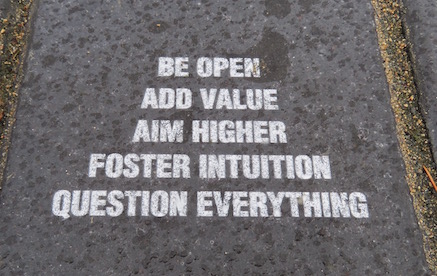
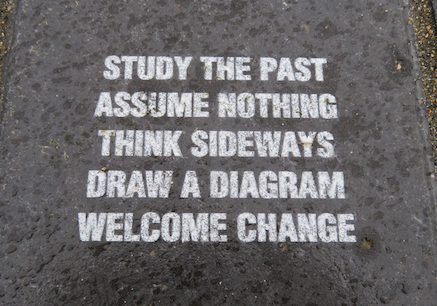
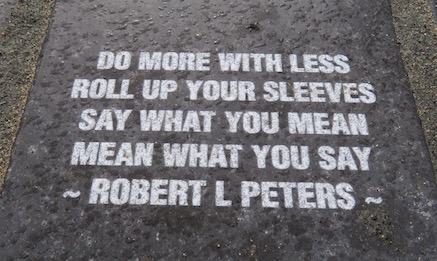
(Thanks to my new friend Rob Riddell for the “quotable.)”




Winnipeg, Manitoba
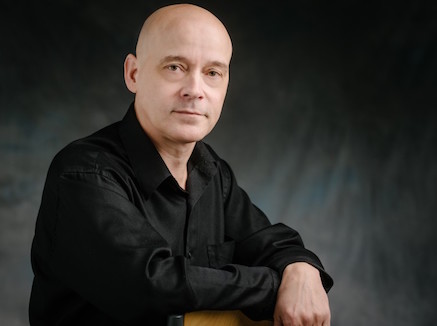
My good friend Gerald Brandt’s third novel in the San Angeles trilogy, a thrilling “near-future cyberpunk sci-fi series,” has just been released by Penguin/DAW. Gerald’s “darkly gripping vision of the future” offers a tense, fast-paced, “impossible-to-put-down” tale that keeps readers on the edge of their seat, with a very relatable young heroine as the embattled protagonist. The Rebel is launching locally at McNally Robinson on Monday evening, and we look forward being there for it!
I first got to know Gerald in the 1990s when I took up rock climbing — he and his lithe twin brother were good instructors and a decade younger than I was — we bonded almost immediately (in that way that only those who put their lives into each other’s hands can do) and we became good climbing mates, with countless weekends on nearby cliffs along with unforgettable climbing expeditions in the Rockies. (Yes, Gerald’s climbing prowess makes an appearance in his San Angeles narratives).
Ev and I were pleased and honoured last night to be able to host Gerald and his partner Marnie for dinner — a real shock (and a sudden wave of tears) came when he presented me with a signed copy of The Rebel and I opened the book… Talk about chuffed! I’ve never had a book dedicated to me before…
Thanks Gerald!

Guest Blog by Dr. Derek Kornelsen
Recently, terms like decolonization and community engagement have become buzzwords in popular discourses about Indigenous health research. But what does decolonization actually mean? How can we really try to decolonize community engagement? If this is to make any sense, and provide any kind of realistic guide for action, we need to start by gaining some sense of how colonization has impacted — and continues to impact — Indigenous communities and Western academic/research institutions. Only then can we consider why community engagement matters and what a decolonized form of community engagement might look like.
A good starting point for understanding colonialism in Canada is to recognize that there is a distinct form of colonialism at work here — both past and present. This form is called settler colonialism. Typical understandings of colonialism usually refer to a situation where a colonial entity oppresses and manipulates foreign peoples in order to extract wealth and resources — India and South Africa are key examples. In these cases, there is a point at which we see the colonial power officially leaving, and the colonized peoples achieving some level of independence. On the other hand, in cases of settler colonialism, the colonial entity doesn’t leave, but continues to bring in more and more settlers in order to reproduce itself in the colonized space — Canada, USA, Australia, and New Zealand are the usual suspects here. The particularly horrifying aspect of this practice — as scholars like Patrick Wolfe have discussed in depth — is that, in order to reproduce itself in a given place, the settler colonial entity must ‘destroy to replace’. In Canada, we’ve seen this through overt genocidal acts that morphed into the kinds of cultural genocide that have occured throughout the residential school era.
Read more here…
Dr. Derek Kornelsen is an Assistant Professor in the Department of Community Health Sciences at the University of Manitoba. His research focuses on examining/contrasting Western and Indigenous philosophies and institutional frameworks, with a particular emphasis on developing a theoretical framework grounded in an understanding of the dynamics and impacts of Settler Colonialism. This theoretical framework enables a sensitivity to 2 key under-researched areas in Indigenous health and wellness research: the impacts of the disruption of Indigenous peoples’ relationships with land and environment; and strategies for decolonizing key institutions that Indigenous peoples must access (health as well as political, legal, educational, economic institutions). Broadly speaking, this theoretical frame contributes to the development of robust Indigenous determinants of health and wellness. He is currently involved in developing a number of local, national, and international research projects and partnerships in areas of environmental health and Indigenous health and wellness.

Seattle, Washington
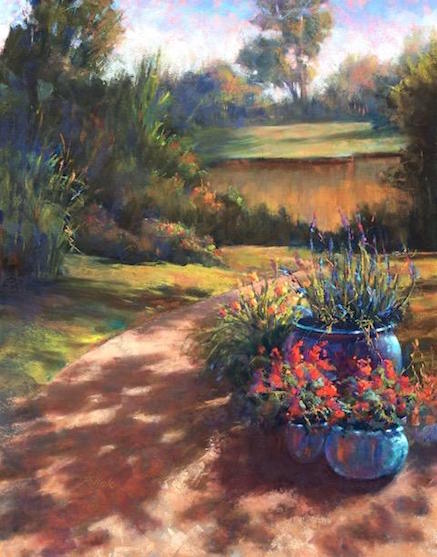
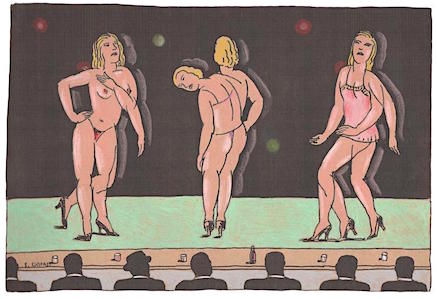
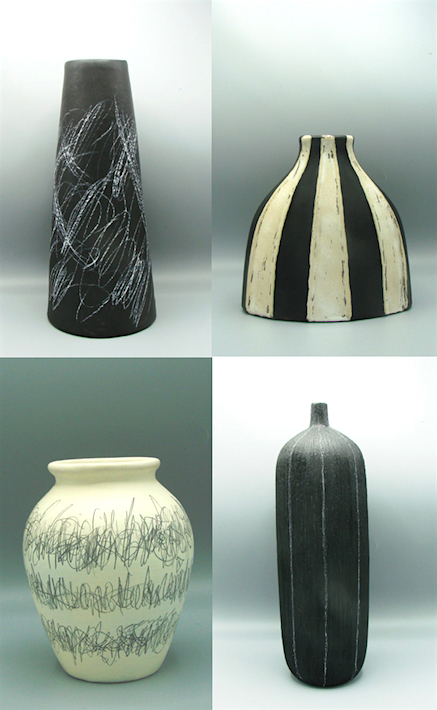
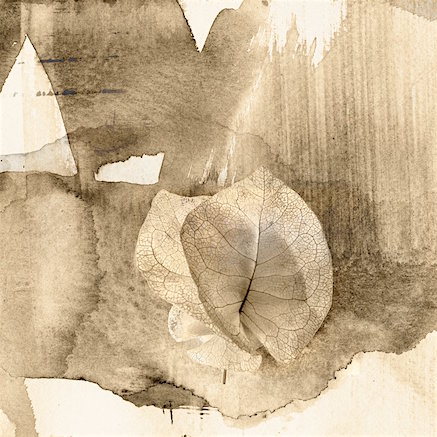
My good friend, renowned designer Pat Hansen, has just launched a truly unique online gallery featuring works of fine art by accomplished professional graphic designers, illustrators, photographers, architects and interior designers — work created “on the side.” Many designers create outstanding art outside of their day-to-day practice, but few have had a way of exhibiting such works. Most offerings in Portfolio2 Gallery are one-of-a-kind or offered in limited editions, and have not been available until now.
An initial collection of fine art pieces is currently available here, in a range of media including painting, drawings, sculpture, photography, mixed-media, ceramics and various craft techniques. Accomplished professionals in the design industry (initially only in the USA) are invited to participate by exhibiting pieces they have created “outside of their professional career.” Portfolio2 Gallery’s commisson is 25%, and works of art are shipped (shipping price included!) directly from the artist to the buyer (again, only in the USA for now).
Initial response from the design community has been overwhelming. As noted by Chicago designer Greg Samata, “The idea of an online gallery to aggregate designers’ independent work is a brilliant one. It is an opportunity to make an extraordinary body of work available to the general public.”
A few samples are shown below… view the gallery’s current offerings here.